Table of Content
- Stay up-to-date with how the law affects your life
- Keeping children and young people safe away from home
- You Don’t Have To Solve This on Your Own – Get a Lawyer’s Help
- Consequences
- Home Alone Children Legal Age Limits?
- What is the legal age for children to stay home alone in Kansas?
- Government activity
- Need more advice?
If your kids are over the age of 18, you can legally leave them unsupervised without worry. After all, in the eyes of the law, they’re fully-fledged adults. They can even take care of their younger siblings if the situation calls for it. Read on to find out what child protection laws are actually about and when it’s appropriate to leave a child unsupervised. It is also important to consider the neighborhood in which you live, the availability of adults nearby and how long your child will be alone. At some point during the school years, you may begin to consider the possibility of having your children care for themselves before or after school.
Just because your child is older doesn’t necessarily mean they‘re ready to look after themselves or know what to do in an emergency. It can help to go over the ground rules and remind them how to stay safe at home. For example, it’s never safe to leave a baby or toddler home alone. But you might feel OK leaving a pre-teen child alone for half an hour if they can follow household safety rules and know who to contact in an emergency. For parents trying to make a decision of leaving their child home alone, it is important to determine if your child is ready. Furthermore, it may be useful to do a practice run before actually leaving your child home alone.
Stay up-to-date with how the law affects your life
It’s a good idea to talk about what they’re going to do while you’re out. For example, agree whether they can have a friend round or even go over to a friend’s house. Talk about anything that’s bothering them and discuss a solution. Understanding why they don’t feel comfortable will give you an idea of how to help – or why they might not be ready to be left alone. For example, preschoolers can only be left alone for five to fifteen minutes while children between 10 and 12 can be left alone for 12 hours.
Contact a qualified family law attorney to make sure your rights are protected. Consider programs offered by schools, organizations, and churches as an alternative to leaving a child home alone for extended periods time. Designate a "safe house" to run to if the child ever feels that they're in danger. 11 to 12 Years - May be left alone for up to 3 hours but not late at night or in circumstances requiring inappropriate responsibility. Youth can leave school from age 16 or be expelled from school at 16.
Keeping children and young people safe away from home
Self-care can be a rewarding experience for children who are ready for it. It can help them develop independence and responsibility and can give them confidence in their own abilities. However, if your child is not ready, self-care can be a frightening and potentially dangerous situation. The police or child protection services can remove children from situations where they’re at risk of serious harm.
Every child is different so build up their independence at their pace – and check in with them to make sure they feel safe. For the most part, Australian child protection laws are similar to the laws in other countries. In the UK, the law is also very general and heavily dependent on context. The US also has similar laws, though three of its states do have minimum age requirements for leaving a child at home alone. Punishes parents who leave children under 12 alone for an unreasonable amount of time. States that parents or guardians should keep children safe and supervised while also providing them with food, clothing, and shelter.
You Don’t Have To Solve This on Your Own – Get a Lawyer’s Help
Tell the child not to go into other people's home without your permission. Call the child several times during the day while you are away. Post a list of emergency, local, and long distance numbers to call in the event of an emergency. 8 to 10 Years - Should not be left alone for more than 1½ hours and only during daylight and early evening hours. He is admitted to practice law before the State Bar of California, and the United States District Court for the Northern District of California.
The decision about who to leave your child with comes down to you and your best judgement. There are no legal restrictions on what age a babysitter or caregiver must be to be left in charge of a child, but there are laws about employing children. Like we said earlier, the law in most states don’t specify an age limit. In fact, they don’t even say anything about leaving a child at home alone. Instead, these child protection laws are more general and focus on a child’s safety and well-being.
Consequences
For more details on how to make your home safer, RoSPA provide information and advice for parents on preventing accidents and safety in the home. At school, work, or any other club or activity, we've got advice to help keep children and young people safe wherever they are. If you have any concerns at all about a child’s safety or wellbeing, don’t hesitate to contact us.

Generally the law allows parents to leave a young person without supervision once they are 14 years old. However, leaving a child for an unreasonable period of time in way that puts them at risk of harm could be considered neglect according to the Children’s Commissioner. Make sure that any potentially dangerous things like tools, knives and prescription medicines are safely out of harm's way before you go out. If they have allergies, be careful that there's nothing in the house that could trigger a reaction.
"If any child was left alone to the extent that he or she might be neglected or harmed, then the council can and will intervene," it added. He said parents needed "firm advice" so they could know they were "on the right side of the law". A police officer told the BBC the law in this area was "woolly" and, like parents, officers had to use their judgement. If you don't trust your child by themselves, they shouldn't be allowed alone with a friend either.
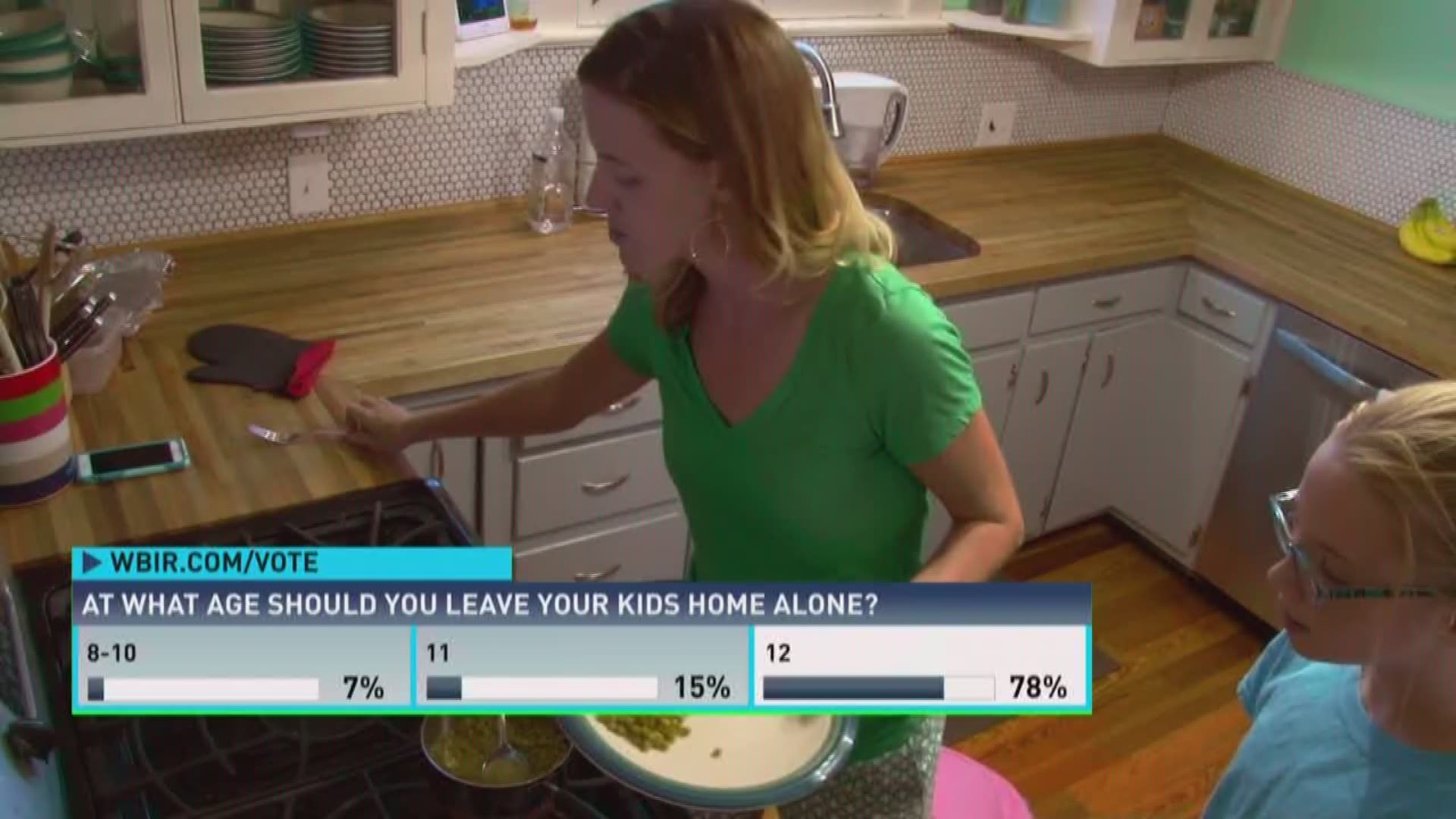
They can also find out if you live in a Flying Start area, with services to help families with children under 4 years old in disadvantaged areas of Wales. Follow the steps laid out in GOV.UK’s guide to getting the right childcare for your family. Both you and your children might feel more comfortable if they're focused on an activity – like watching a film or playing a board game.
Mr Haines, who won the appeal, says the law allows parental responsibility and "they need to be able to exercise that responsibility". There’s no one law in Australia that says how old your child has to be before you can leave them alone. Parents who leave their child home alone in an environment which puts them at risk can have charges brought against them. For children with allergies, remove anything that may trigger a reaction from the house. If you have neighbours who you trust, tell your child where to go in case they need to evacuate the house and who to speak to.
If the investigation shows that the child was in danger while alone, they will be taken into state custody. The parent will also have the potential to be charged with child endangerment or child abandonment, especially if the child is harmed while home alone. It may be safest to let a neighbour or friend know your plans, in case help is needed and you can’t get home in time. A babysitter needs to be at least 14 years old, and should be someone you trust and your children are happy with. The babysitter also needs to be capable of providing “reasonable supervision and care“.
Talk to your child about what they may doonline whilst you're away. Are there any activities that could be dangerous without an adult in the house? Some activities – like cooking, climbing furniture, lighting candles – might not be safe without an adult at home. For more detail, please see our advice on baby and toddler safety.




No comments:
Post a Comment